How It Works
Hydrogen Fuel Cell
The Toyota Mirai generates power by combining hydrogen with oxygen from the outside air. Hydrogen from the fuel tank and air entering through the intake grille meet in the Fuel Cell Stack. A chemical reaction between hydrogen and oxygen creates electricity — powering the Mirai’s electric motor. The only by-products are water and heat, ensuring zero harmful emissions.
Hydrogen Vehicle Functionality
Hydrogen Power – The Future of Electricity
A fuel cell uses the chemical energy of hydrogen and oxygen to produce electricity without harmful emissions. The Mirai draws oxygen through its large front grille, while hydrogen is stored in reinforced high-pressure tanks. Inside the fuel cell system, hydrogen and oxygen combine to generate electricity. The only emission is water vapour.
Local specifications may differ
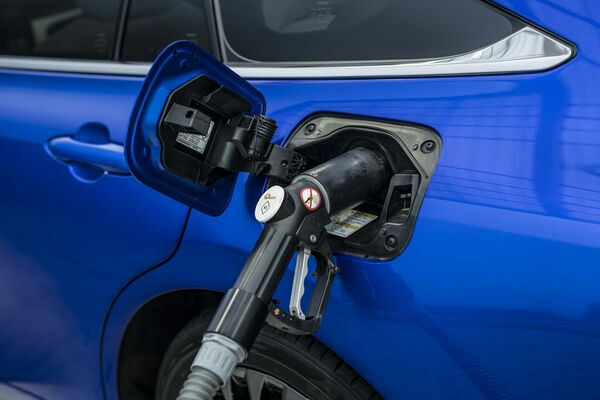
Filling Up the Mirai
Refuelling the Mirai is simple — similar to filling a petrol vehicle. Hydrogen is pumped into carbon‑fibre reinforced tanks. Within minutes, the vehicle is ready to drive with full range and zero emissions.
Local specifications may differ
Clean & Efficient
The Mirai is exceptionally efficient thanks to hybrid regenerative braking technology. Unlike battery-electric vehicles, hydrogen vehicles do not require large, heavy battery packs — making them lighter and more agile. Refuelling is quick, with no long waiting periods.
Local specifications may differ
Hydrogen Fuel Cell Safety
The Mirai chassis is engineered around the fuel cell system for maximum protection. Safety sensors detect potential hydrogen leaks, and tank valves automatically shut off during a collision.
The high‑pressure hydrogen tanks feature a three‑layer safety structure:
- Fibreglass‑reinforced polymer (outer layer)
- Carbon fibre reinforced plastic (middle layer)
- Plastic liner (inner layer)
Local specifications may differ